Japan blends futuristic tech with timeless tradition. Bullet trains zoom past ancient shrines, and even a simple local commute can feel like a cultural deep dive. I’ve travelled to Japan two times (with a third trip coming soon!) and have experienced the country by local train, metro, and the iconic Shinkansen. As a solo female traveller, I’ve always felt generally safe, but Japan’s women-only train carriages left a strong impression on me.
The first time I stepped into a pink-labelled car meant just for women, I was curious. Why do these exist? Who are they for? And how can visitors navigate them respectfully and confidently?
In this guide, I’ll walk you through everything you need to know about Japan’s women-only trains in 2026: what they are, who can use them, when and where they run, plus travel tips and must-have gear.
This post contains affiliate links. If you make a purchase through them, I may earn a small commission—at no extra cost to you. Thank you for supporting Quest For Durian and helping keep these travel guides free!
Plan Your Japan Trip with
My Favourite Resources
– Best Accommodation Site: Booking.com
– Best day tours here: GetYourGuide.com
– Purchase travel insurance here: SafetyWing
Women Only Trains in Japan
Japan’s women-only trains are actually single designated carriages (not full trains) found on busy commuter lines in major cities like Tokyo, Osaka, and Kyoto. You’ll spot them on lines run by JR East, Tokyo Metro, Keio, Hankyu, and more.
These carriages were introduced in the early 2000s to reduce chikan—a term for unwanted groping and harassment that had become all too common during rush hours. By setting aside women-only spaces, Japanese rail systems aimed to create a safer and more comfortable environment for women.
These cars are clearly marked with pink or purple signage on the platform, on the train doors, and even on the ground. Many signs are in both Japanese and English, making them easy to spot even if it’s your first visit.
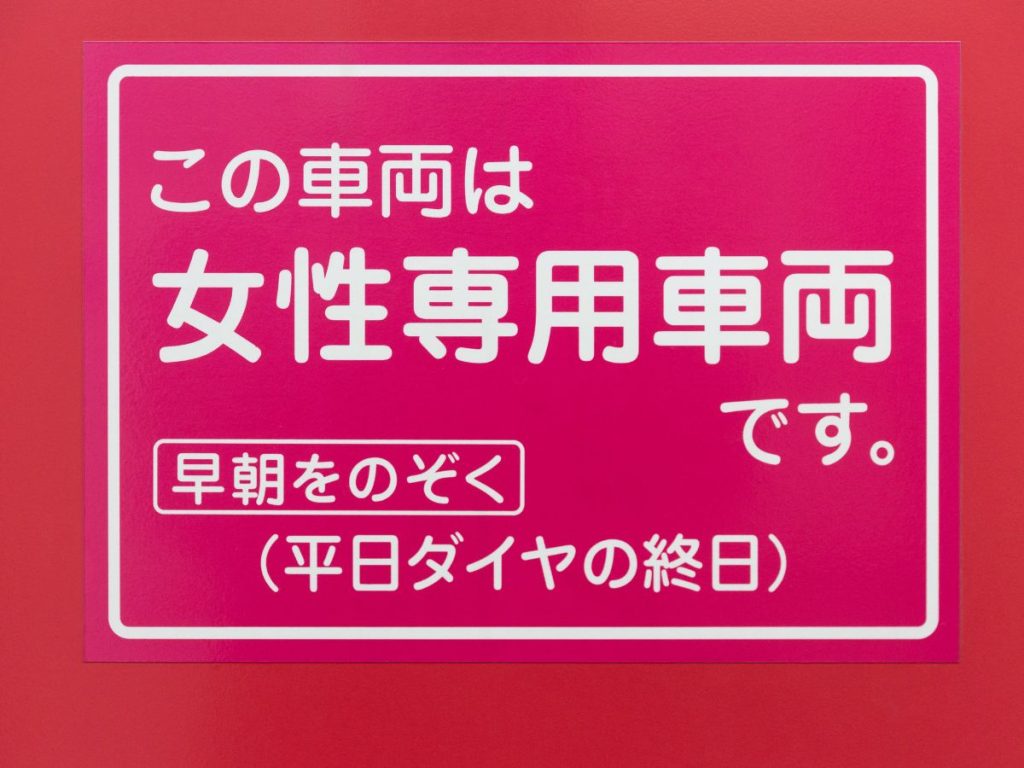
Who Can Use Women Only Trains in Japan?
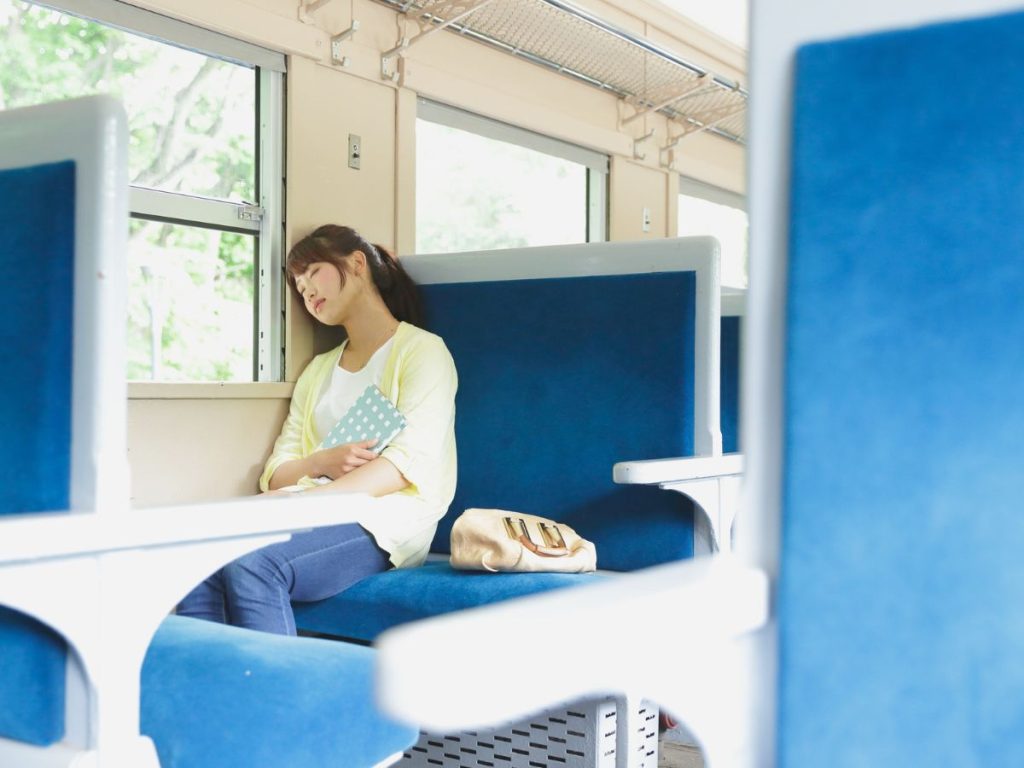
These carriages are reserved for women during specific hours. Boys under the age of 12, individuals with disabilities, and their caregivers are also permitted to ride in them.
If a man enters the carriage during restricted hours, passengers or staff may ask him to move to another car. There are no legal penalties, but it’s considered socially inappropriate. If you’re unsure, just follow the signs—they’re usually clear and easy to read.
How To Use Women Only Train Carriages
Women-only carriages typically operate during weekday rush hours: from around 7:30 to 9:30 a.m. and again from 5:30 to 8:00 p.m. Outside of these hours, anyone can board.
Look for signs on platforms and floor markings showing where the women-only car will stop. Most of the time, these cars are located at either end of the train. Announcements in Japanese and English also help riders find the correct spot.
📌 Travel Tip: If you’re travelling light, head for the women-only carriage for a calmer, more peaceful ride.
Smooth Travel Tips
Japan’s trains are known for their efficiency and quietness. Here are some key etiquette tips and tricks for using women-only train cars like a pro.
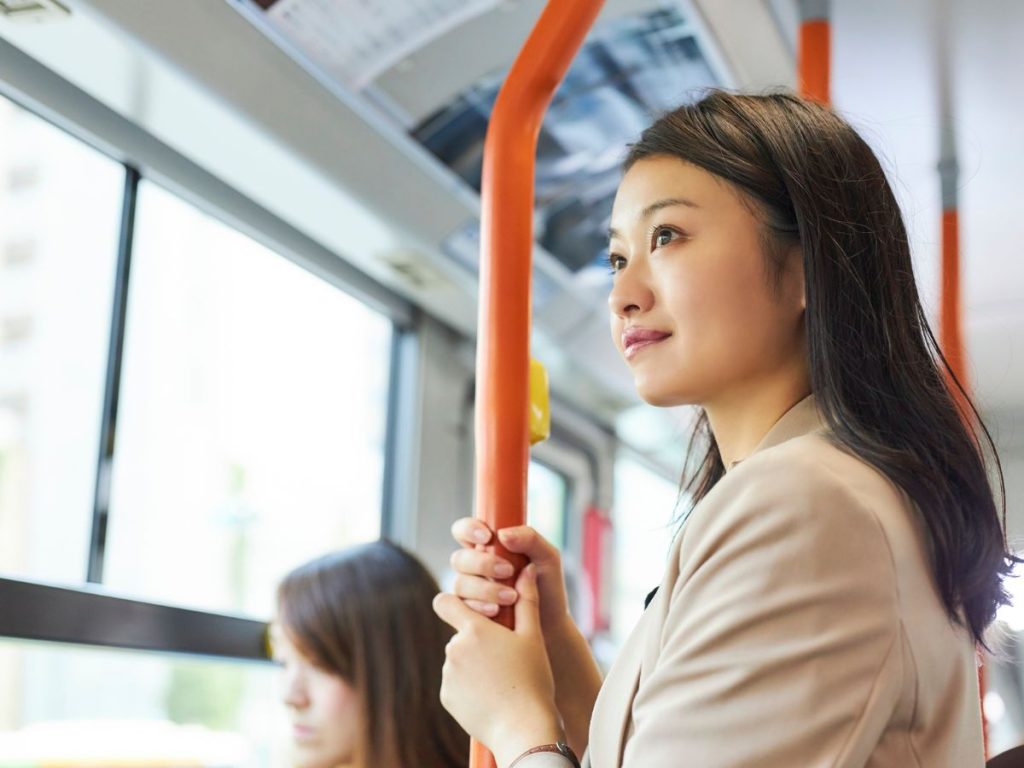
Keep it Quiet
Japanese trains are quiet spaces. In women-only carriages, the atmosphere tends to be even calmer. Avoid loud conversations or phone calls, and use headphones with your media volume turned down low.
Carry Bags Mindfully
During crowded hours, move your backpack to your front or store it on the overhead racks. For smarter packing, I recommend anti-theft backpacks and packing cubes that keep your belongings safe and compact.
Be Aware of Unauthorized Riders
If a man accidentally boards a women-only car during restricted hours, don’t feel pressured to speak up. You can discreetly inform a station staff member or move to a different car. Staff are trained to handle these situations calmly.
Avoid Rush Hour with Luggage
Got big bags or suitcases? Try to avoid peak travel hours. Not only will you have more space, but you’ll make the commute easier for daily passengers. Consider using a reliable luggage forwarding service to send your bags ahead—it’s affordable and widely used in Japan.
Recommended Travel Essentials
Make your Japan rail travel smoother, safer, and more enjoyable with these highly recommended travel items:
- 🎫 Japan Rail Pass: A must-have for long-distance travel. It offers flexibility and savings.
- 📶 Pocket Wi-Fi or Travel eSIM: Stay connected to train schedules and maps at all times.
- 💼 Lightweight Daypack: Choose a small, structured pack to avoid bumping fellow passengers.
- 🧥 Layered Travel Clothing: Breathable layers are best for shifting temperatures inside trains. I highly recommend this Women’s UPF 50 Long Sleeve UV Sun Protection Shirt.
- 🏨 Female-Only Accommodations: Many hostels and capsule hotels in Japan offer women-only floors. Check out:
- 🌐 Travel Insurance: Essential for any solo trip. I recommend SafetyWing.
FAQs
Still curious? Here are answers to the most commonly asked questions about Japan’s women-only train carriages:
Why does Japan have women-only trains?
To reduce sexual harassment on crowded commuter lines, particularly during rush hour. These cars provide a safer space for women to travel in comfort.
What is a ladies seat in Japan?
Ladies seats are reserved spaces on certain trains or buses for female passengers. They work similarly to women-only carriages and are usually marked clearly.
Why can’t you eat on trains in Japan?
Eating on local commuter trains is considered rude due to tight quarters. On long-distance trains like the Shinkansen, however, eating is common and even encouraged—especially when it comes to bento boxes!
Conclusion
Japan’s women-only trains are a thoughtful solution to an ongoing issue, and they offer women an added layer of comfort while commuting or sightseeing. As a solo female traveller, I truly appreciated the sense of peace and security these cars offered.
They’re easy to use, clearly marked, and widely accepted across Japan’s rail systems. By following the basic etiquette and preparing with a few helpful travel tools, you’ll feel more empowered and informed as you navigate Japan.
How’s your Japan trip planning going? Whether you’re deciding on your itinerary for 2 days in Kyoto or learning about how best to take the train around Japan, I’ve got you covered.
Book Your Japan Trip with
My Favourite Travel Resources
– Top Accommodation Site: Trip.com
– Book your flights here: Trip.com
– Purchase travel insurance here: SafetyWing
📌 Save this post or share it with a friend planning a trip to Japan! Got questions? Leave a comment or DM me on Instagram.
📲 Follow me @questfordurian on Facebook, Pinterest, and Instagram for more Japan tips, slow travel ideas, and cultural gems.
See you on the rails! 🚉
♥ Agni

📍Pin for later!👇