
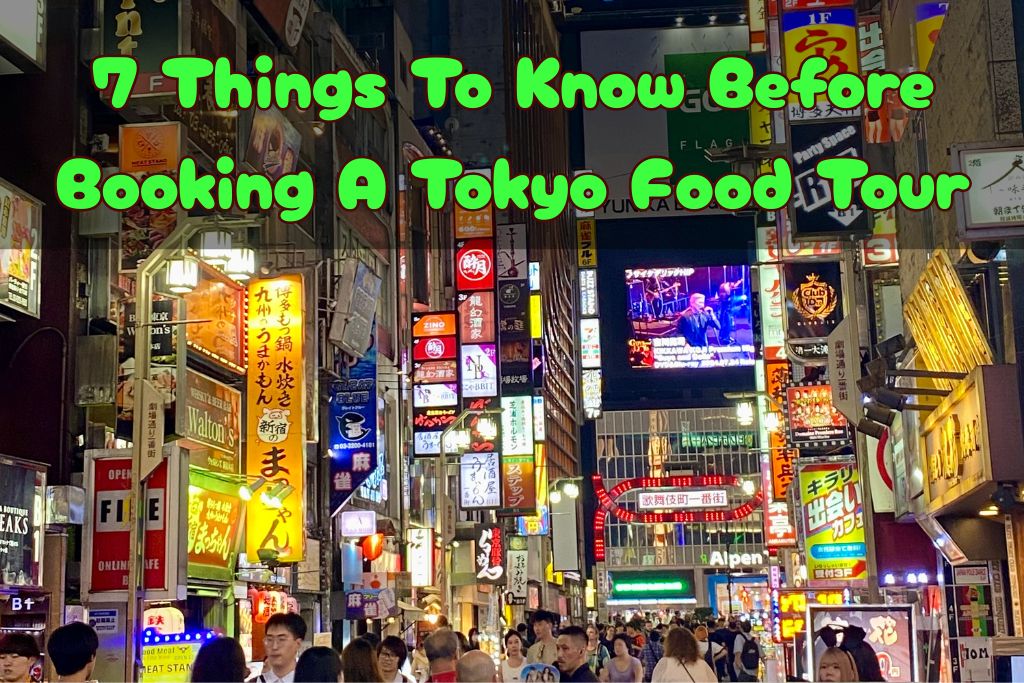
I’ve been going back to Japan since 2001 and the seafood still gets me every time. Growing up with Chinese-Malaysian food and living in Vancouver — a city with genuinely good Japanese restaurants — you’d think I’d arrive prepared. I never do.
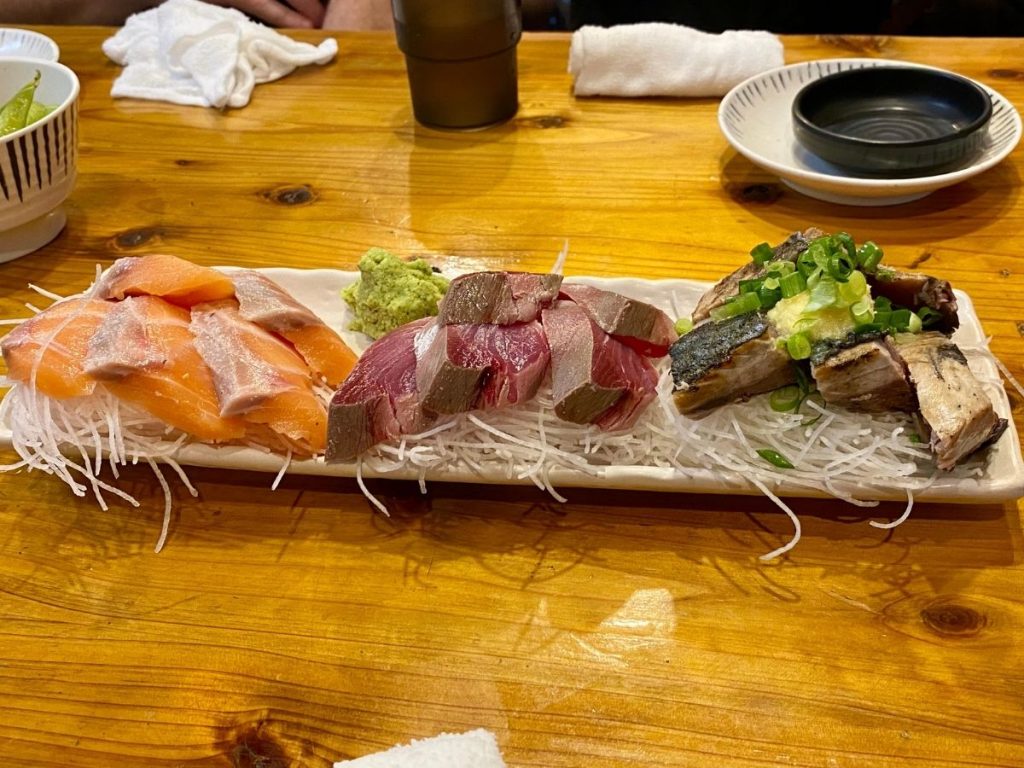
There are fish and shellfish varieties in Tokyo that simply don’t exist on the West Coast, at prices that feel almost embarrassing by comparison. After enough trips to know better, a Tokyo food tour is the first thing I put on the itinerary. Not a restaurant reservation. Not a market visit. The tour first.
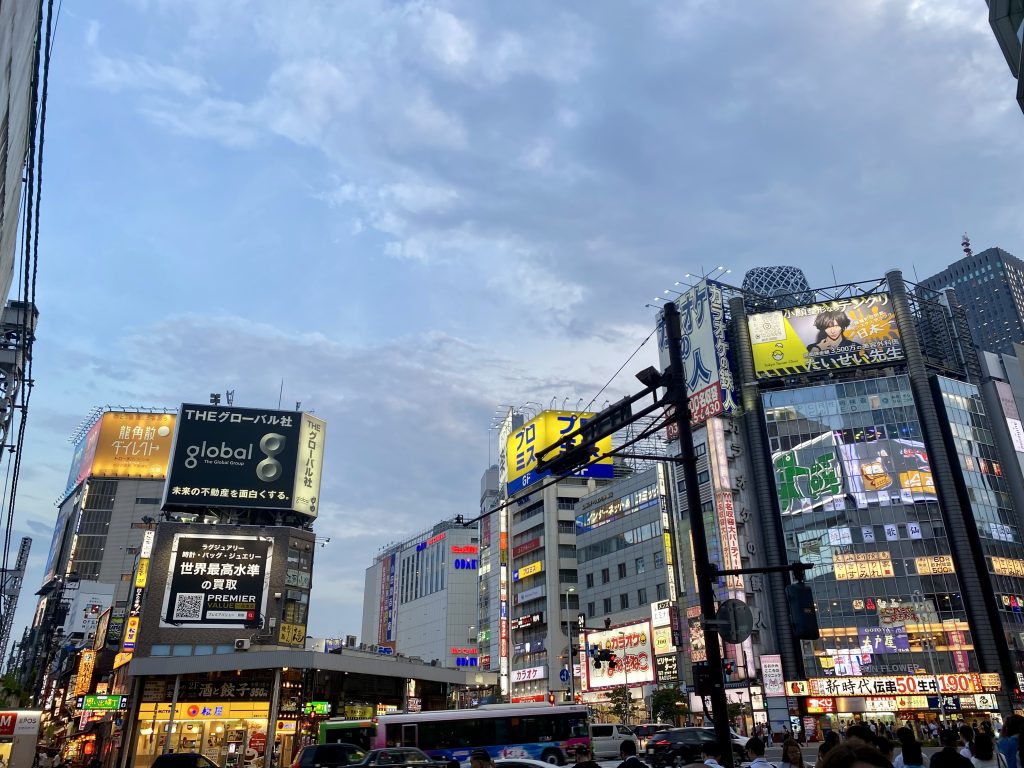
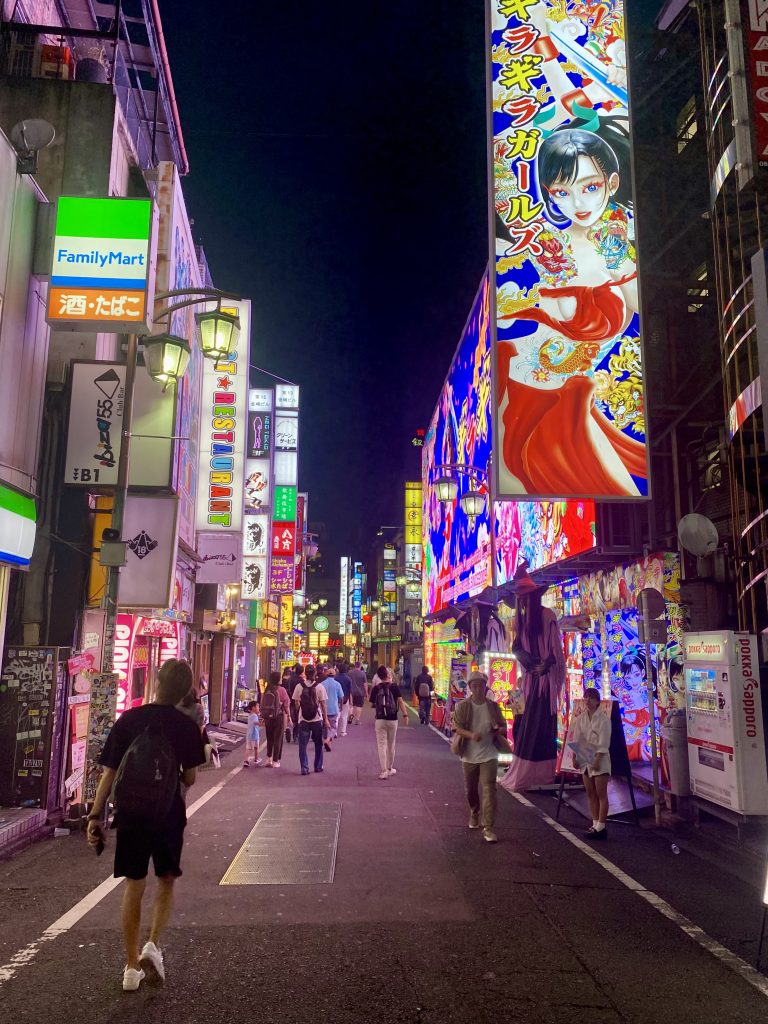
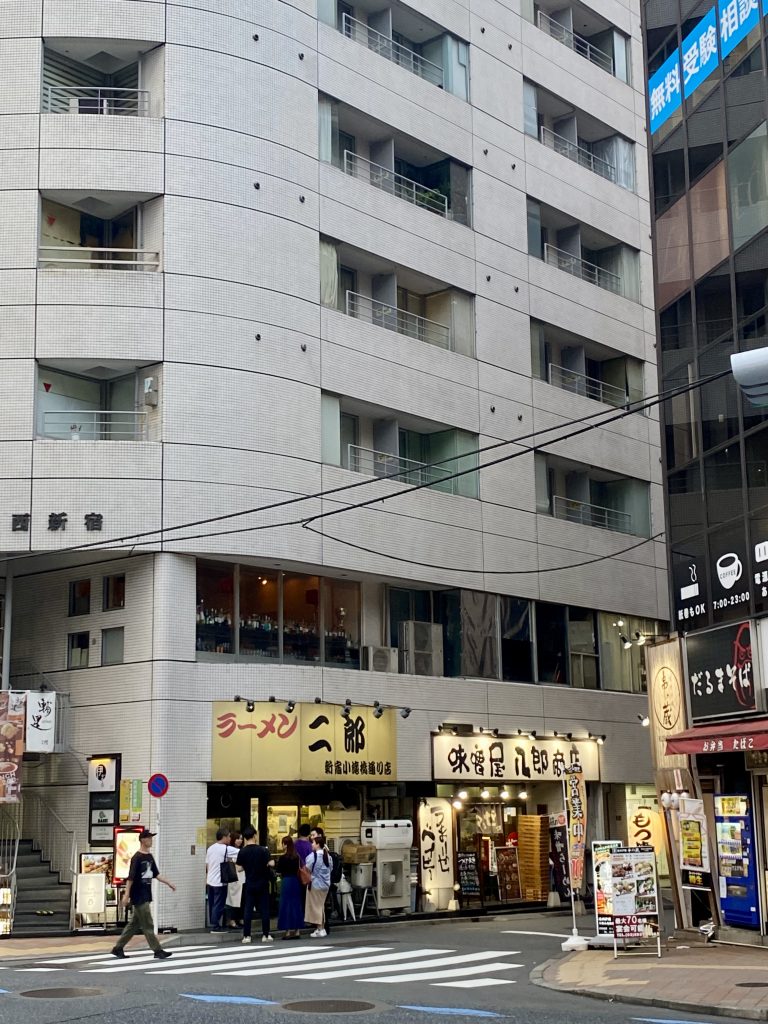
When you’re based in Shinjuku, which is where most first-time visitors end up, the best way to eat your way through the neighbourhood is with someone who actually knows it. Places like Omoide Yokocho and Golden Gai look approachable from the outside and then immediately confusing once you’re in them. A local guide cuts through that. Without further ado, here’s my favourite Tokyo food tour.
Best Tokyo Food Tour
My pick, consistently, is the Shinjuku Izakaya Food Tour by Ninja Food Tours. I’ve recommended it to first-timers and people on their third Japan trip alike. It hits differently depending on where you are in your Japan journey, but it never disappoints.
Shinjuku Izakaya Food Tour
Book your evening food tour and explore the hidden izakayas of Shinjkuku Online HERE!
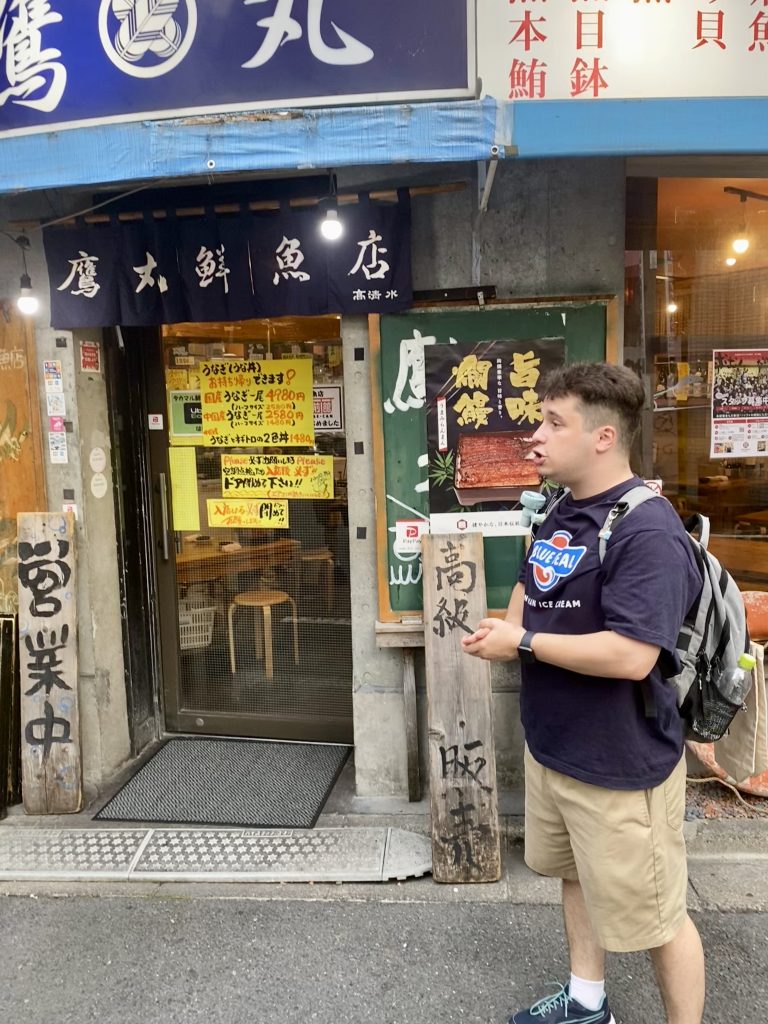
This is a 3.5-hour Tokyo food tour through four izakayas with 14+ tastings included. The guides — I had Max, though Nobu and Tadashi also get consistently great reviews — are the kind of people who make a group of strangers feel like they’ve known each other for years within the first twenty minutes.
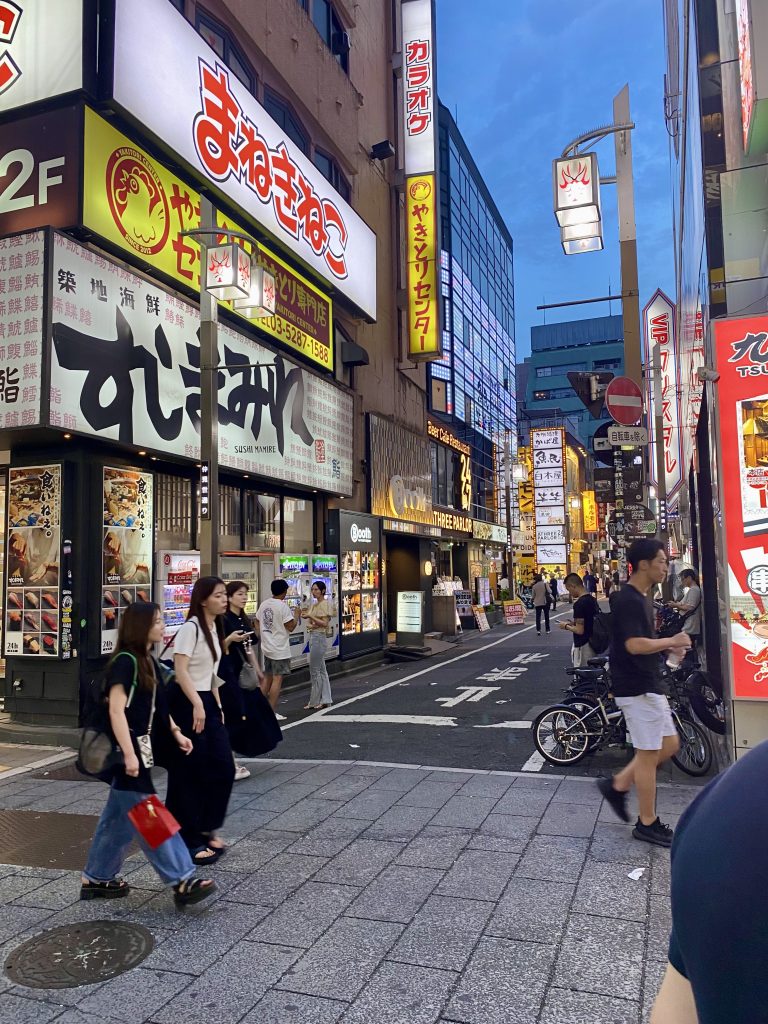
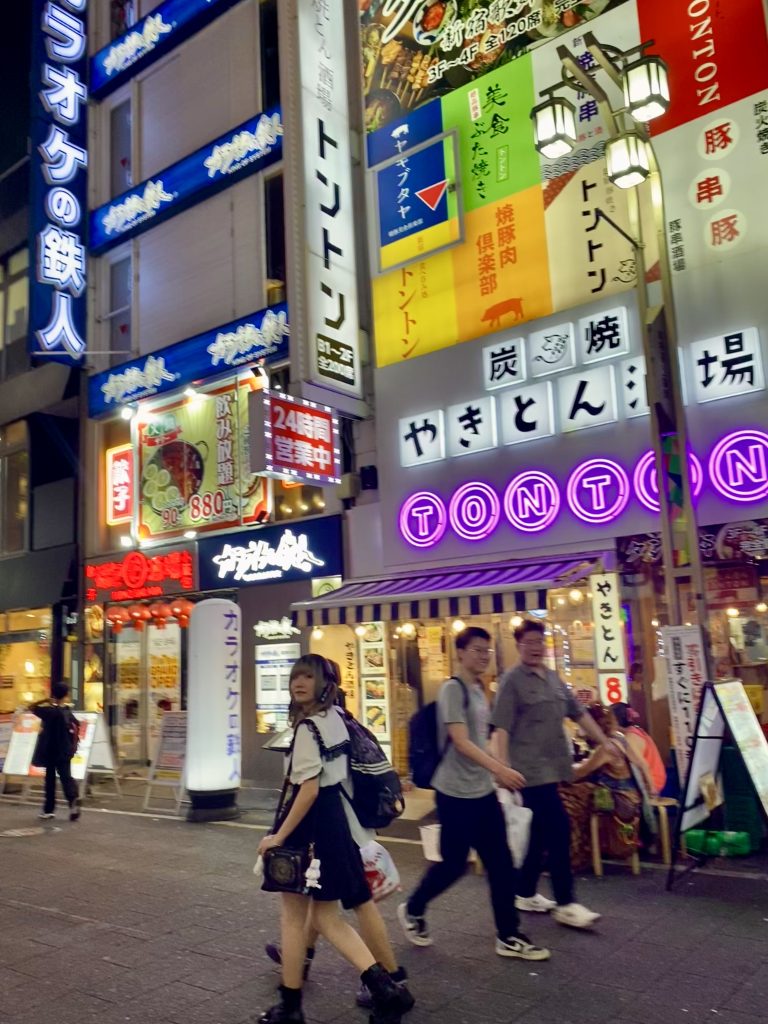
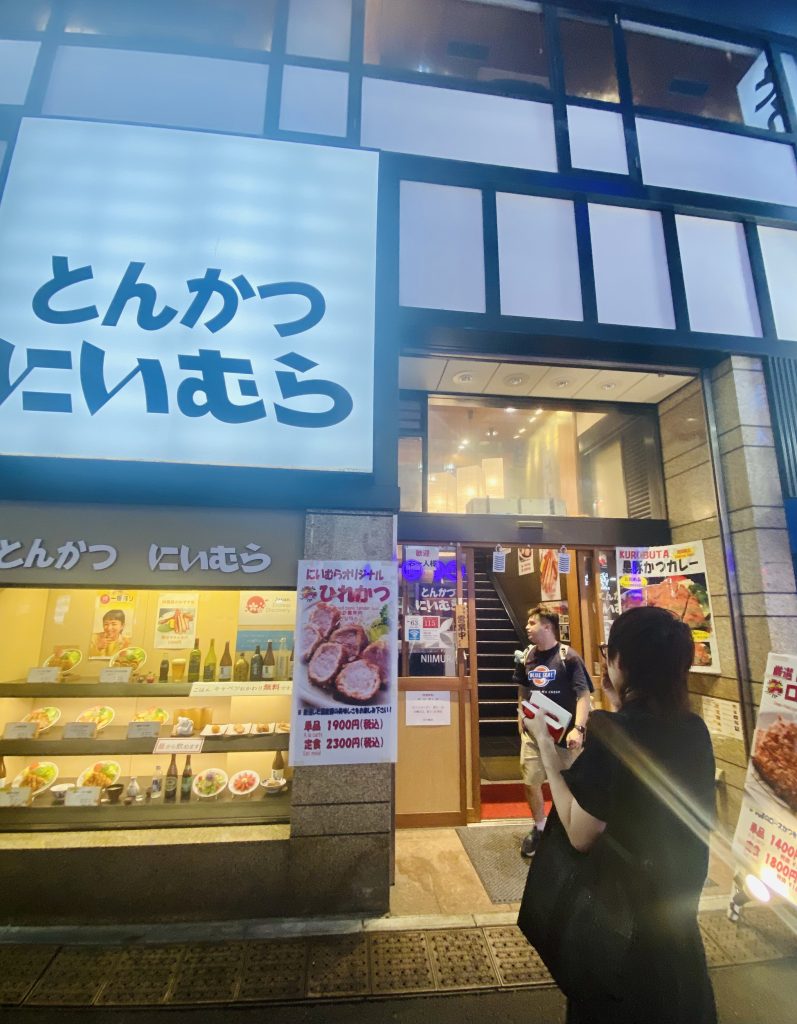
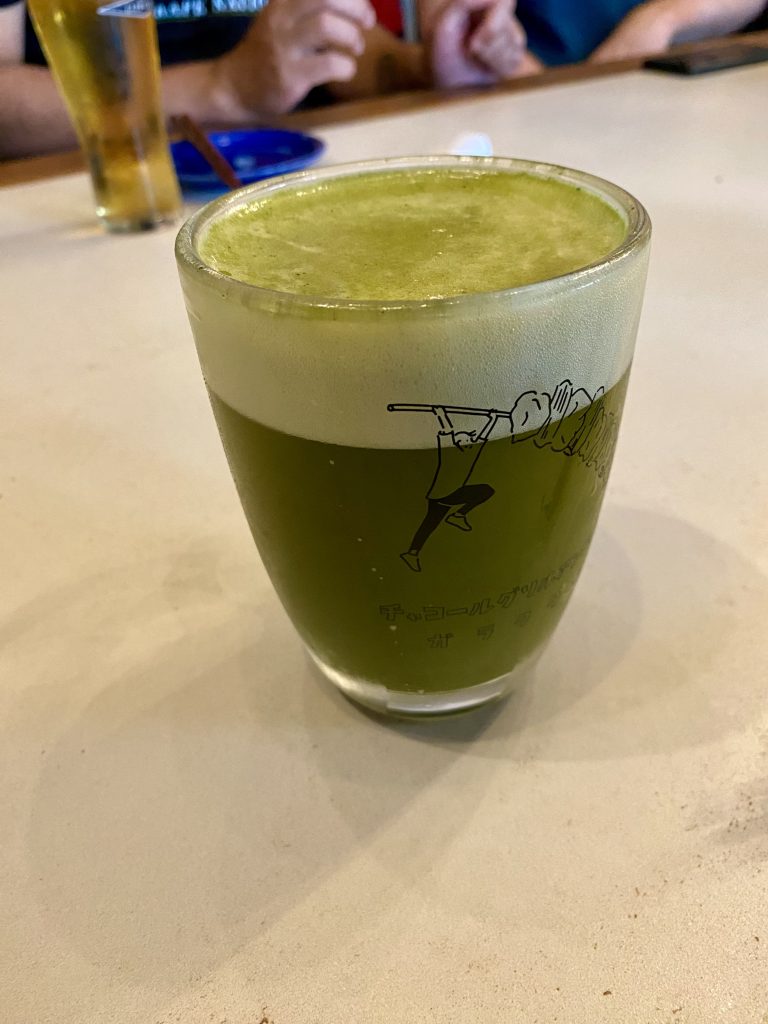
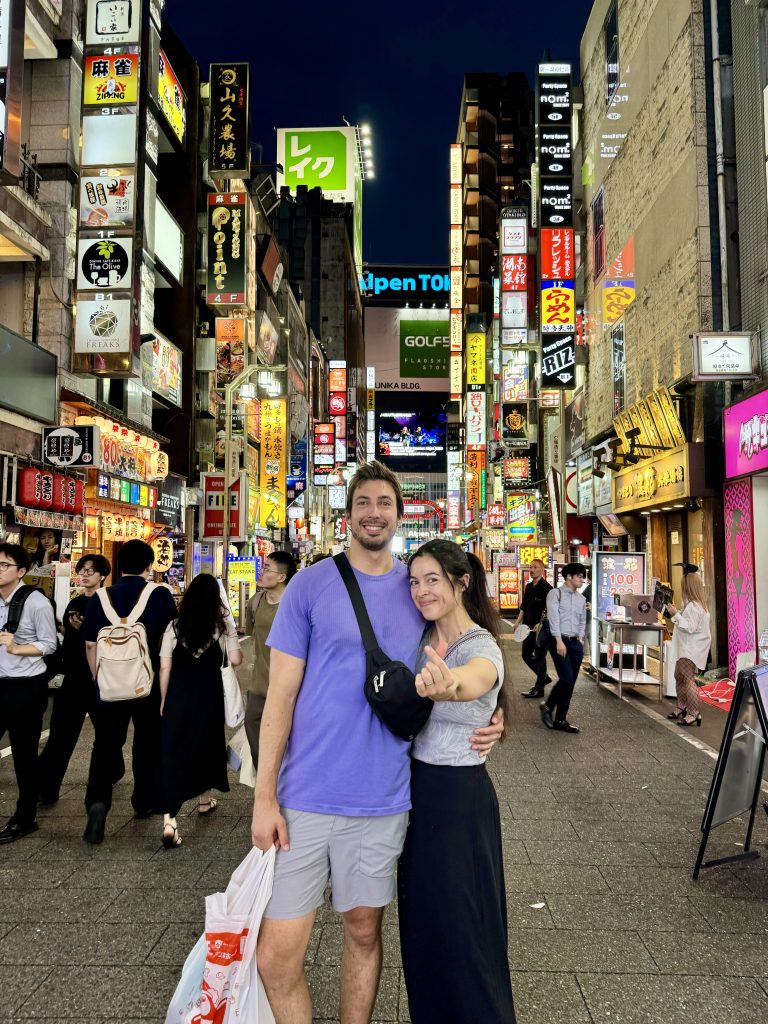
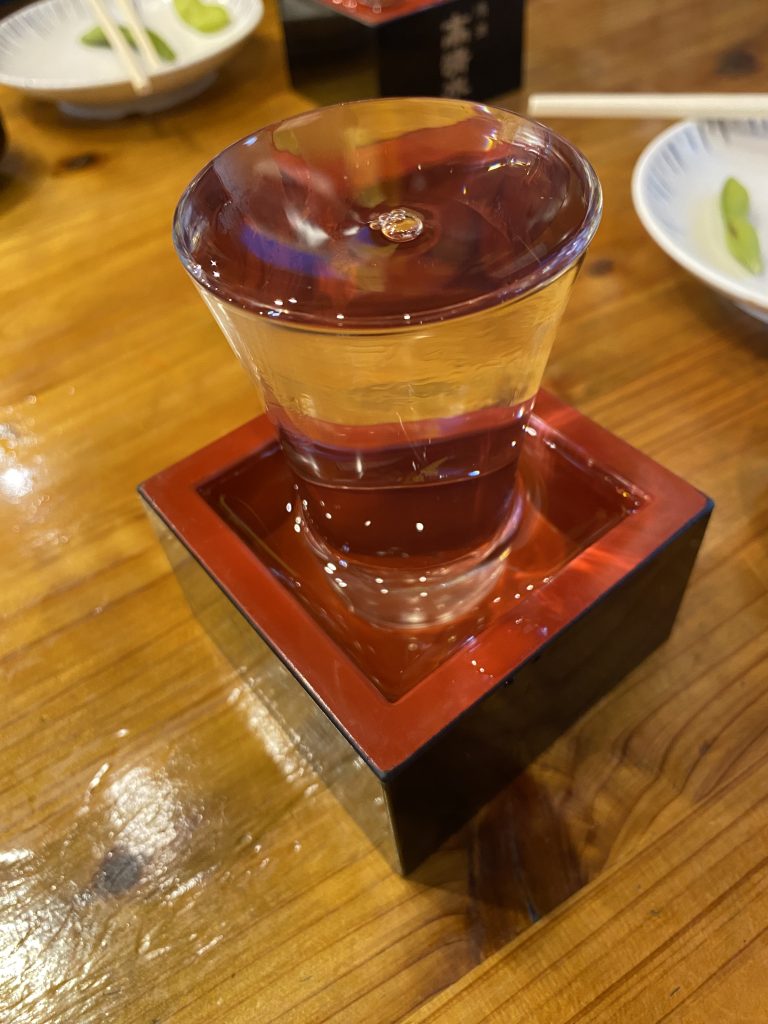
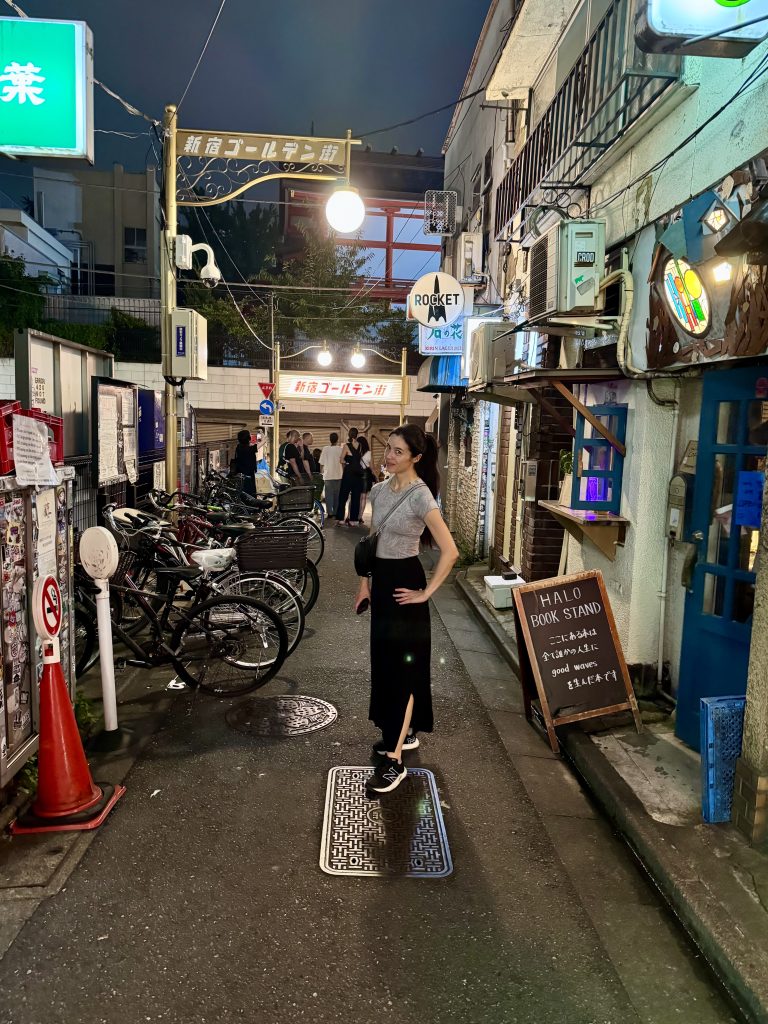
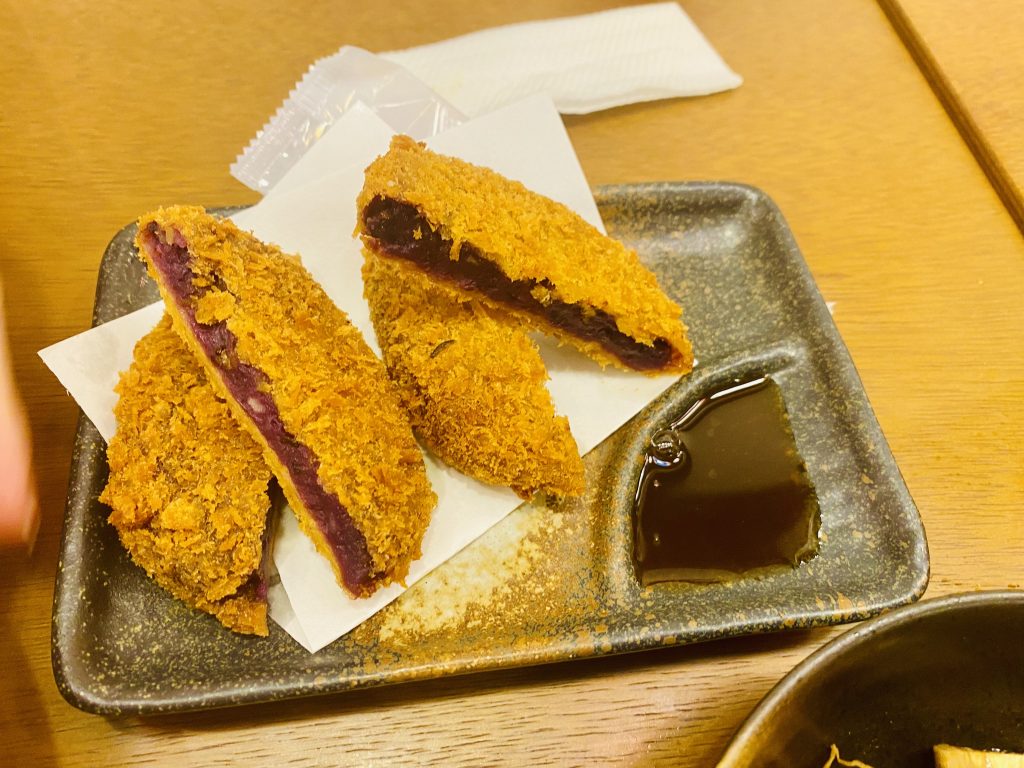
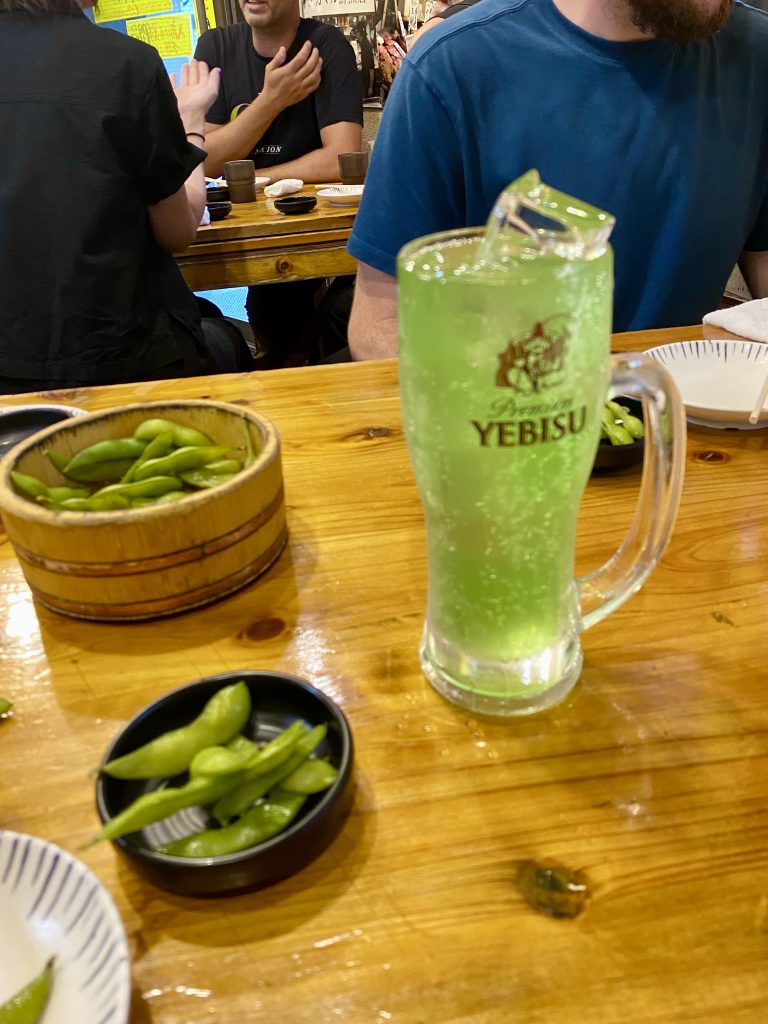
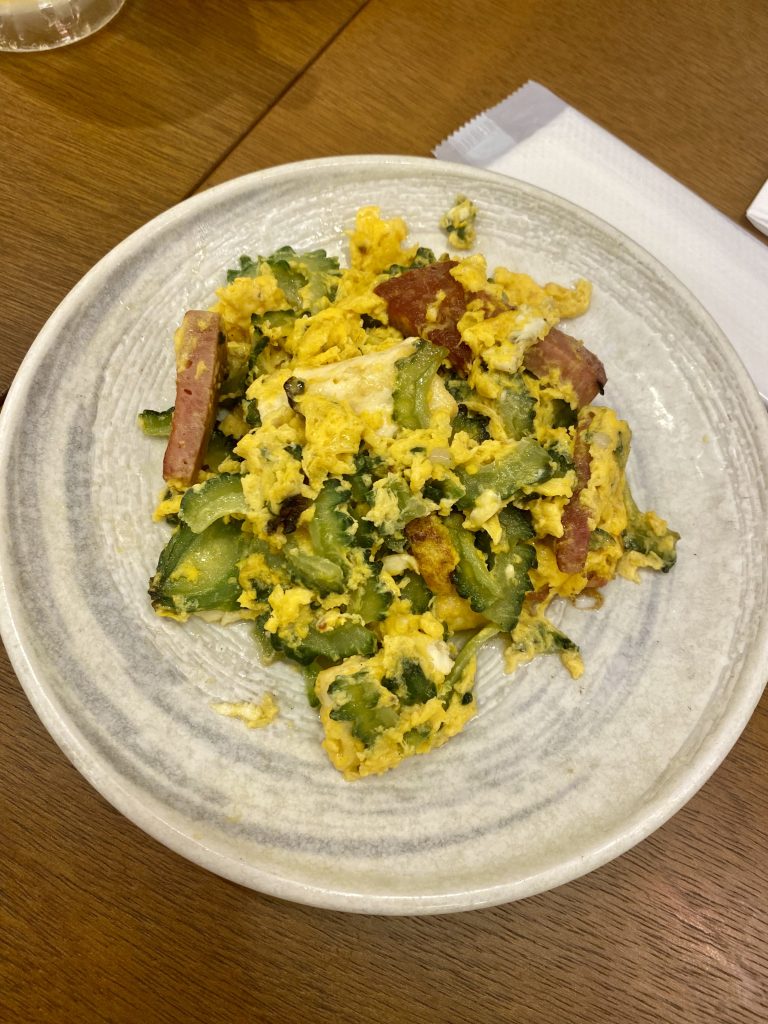
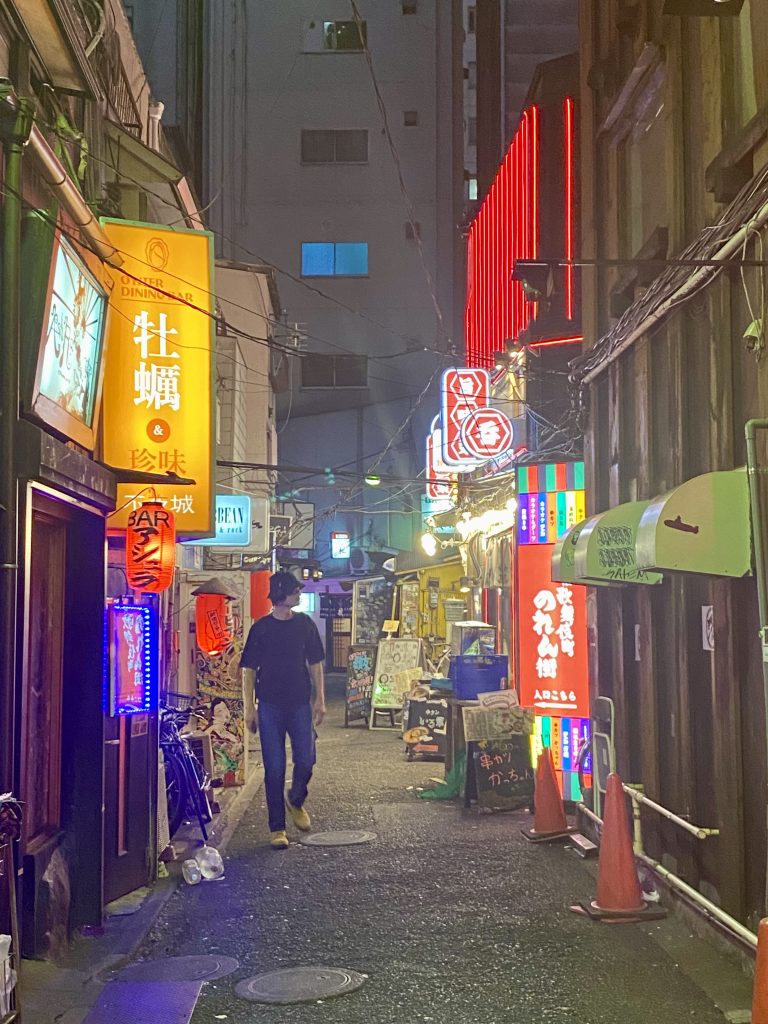
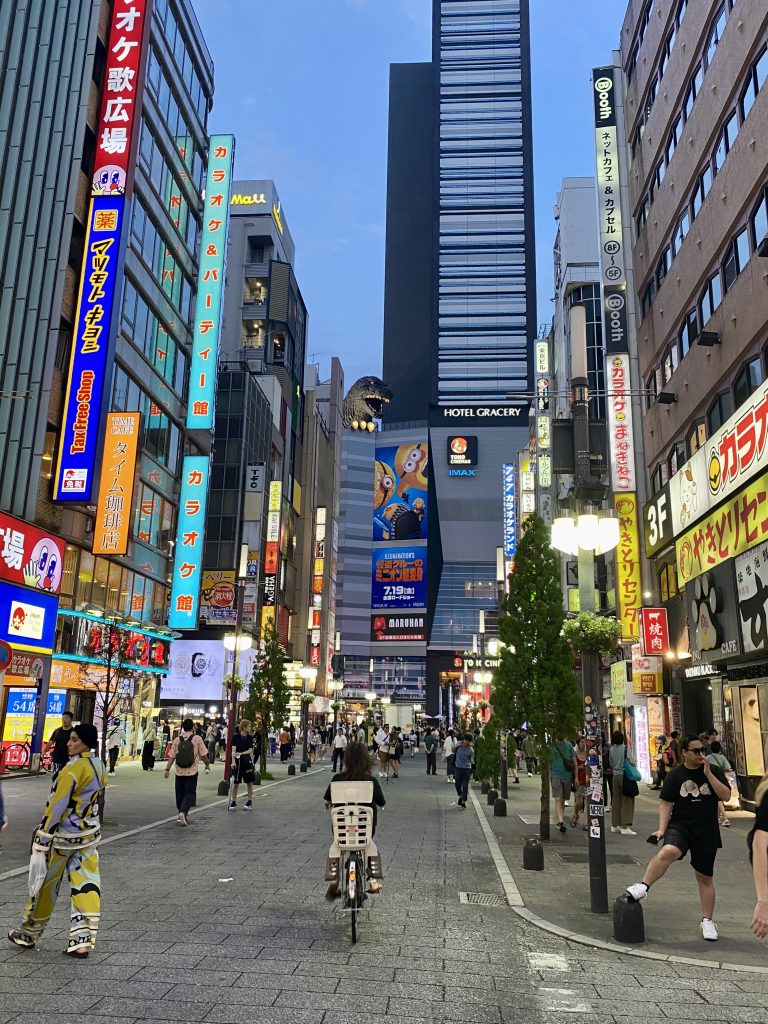
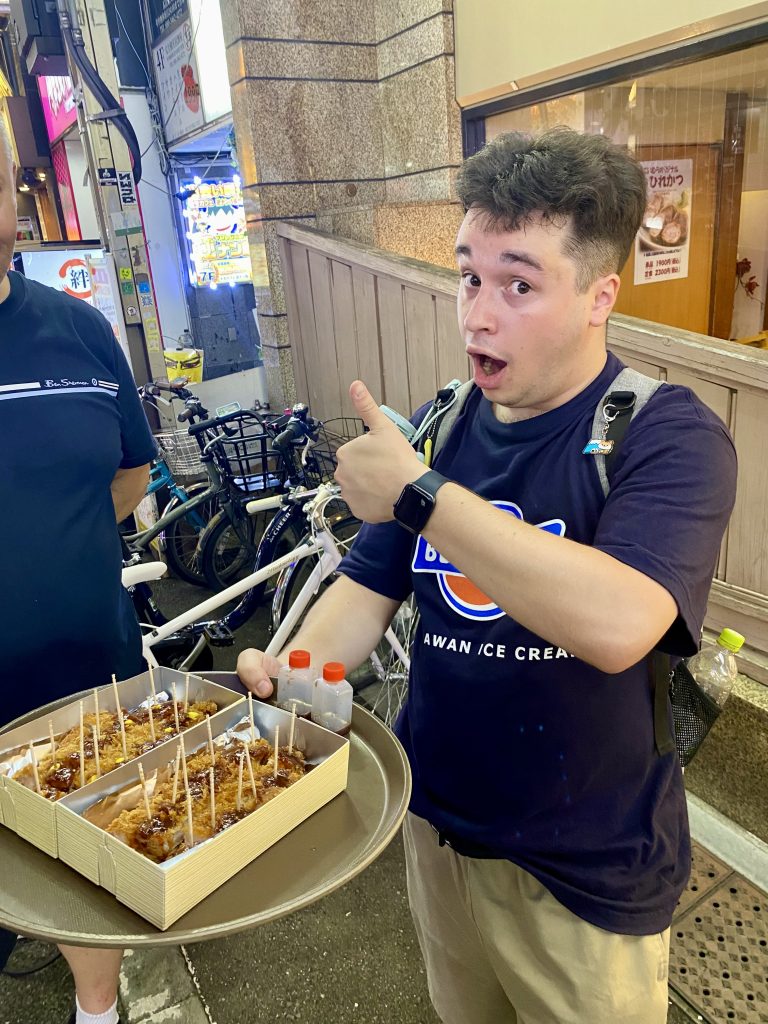
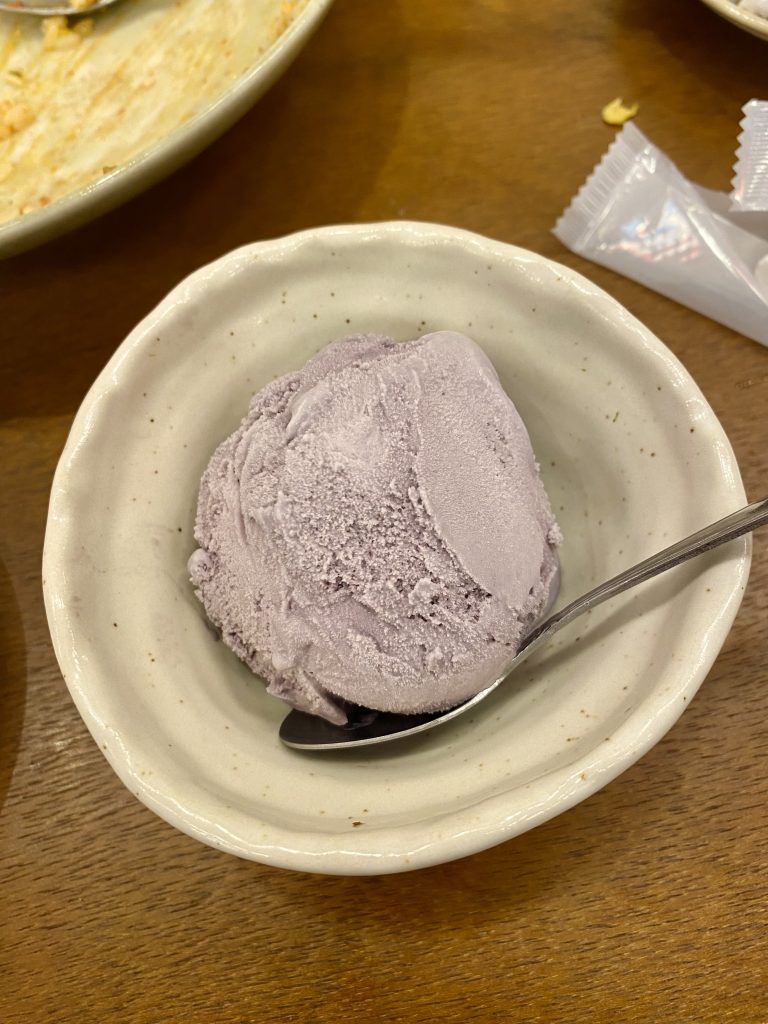
With Max, my husband Gavin and I tried matcha beer, melon soda, sea bream sashimi, bitter melon, and Okinawa specialties we genuinely had no idea existed. Blue Seal ice cream, which turns out to be an Okinawan institution, showed up at one stop. There was a pork cutlet that I’m still thinking about. The walking route weaves you through Kabukicho’s backstreets and past the small cramped bars of Golden Gai, with a Godzilla sighting thrown in. It sounds like a lot and it is — but it flows naturally rather than feeling like a forced march between eating stations.
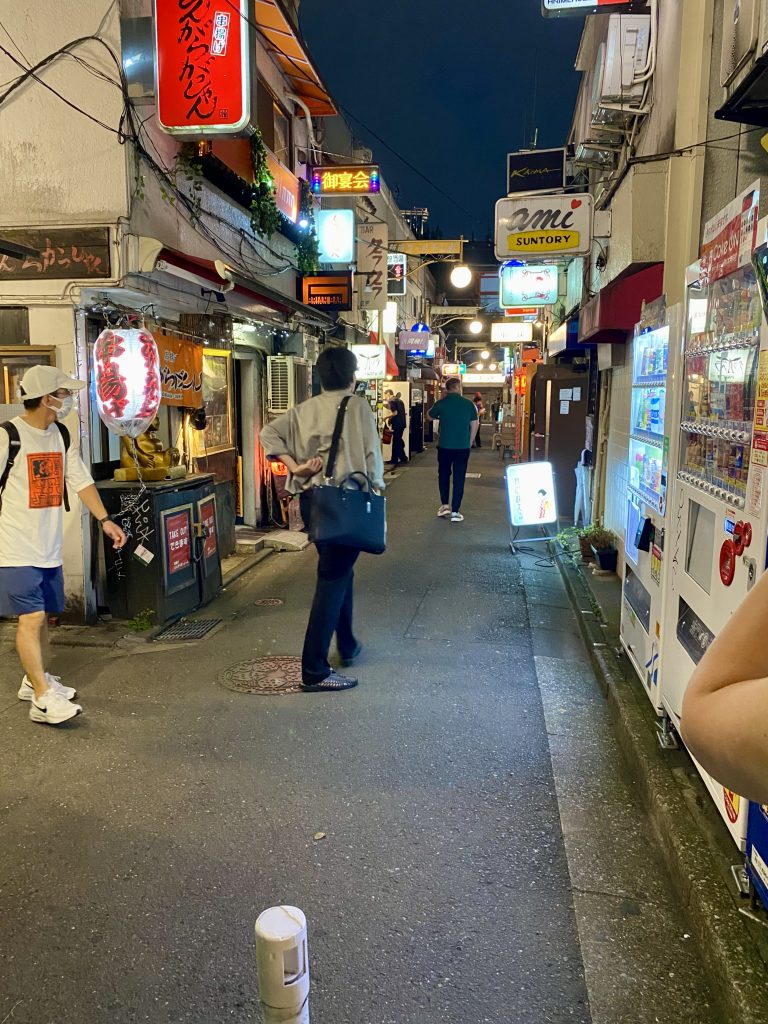
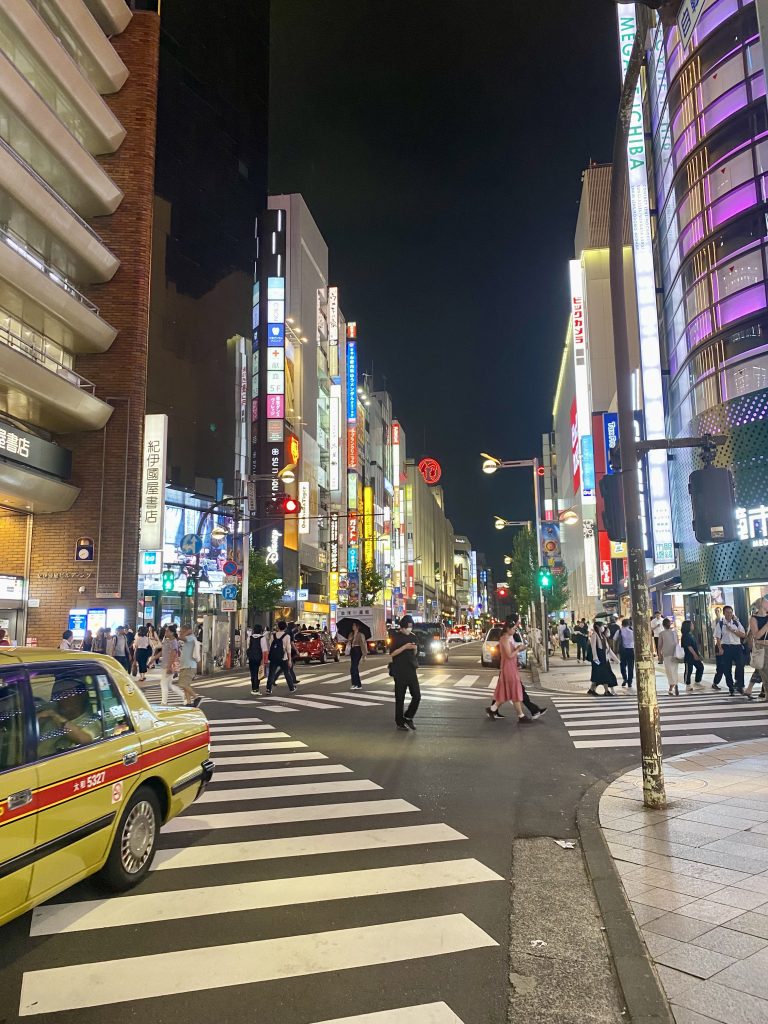
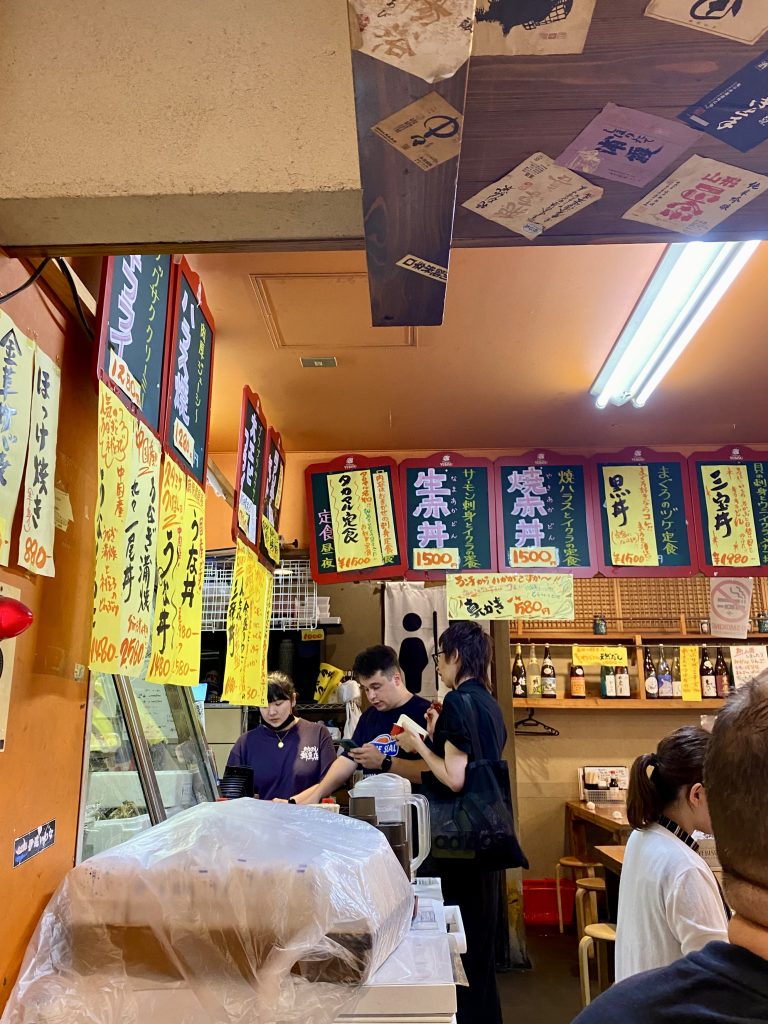
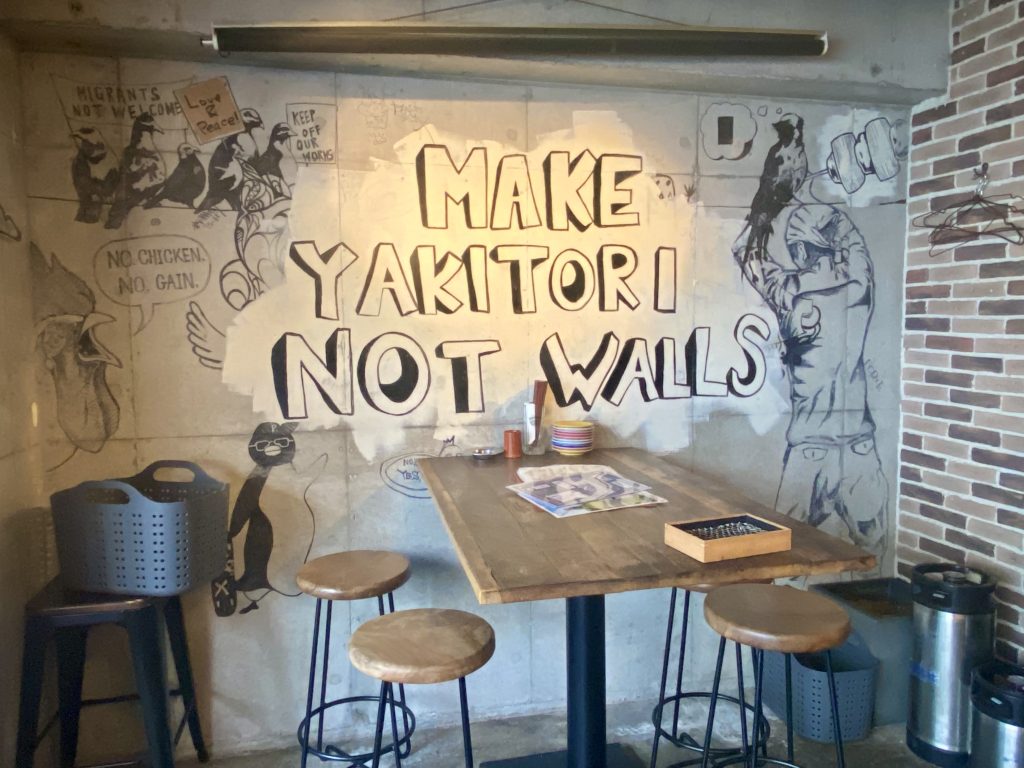
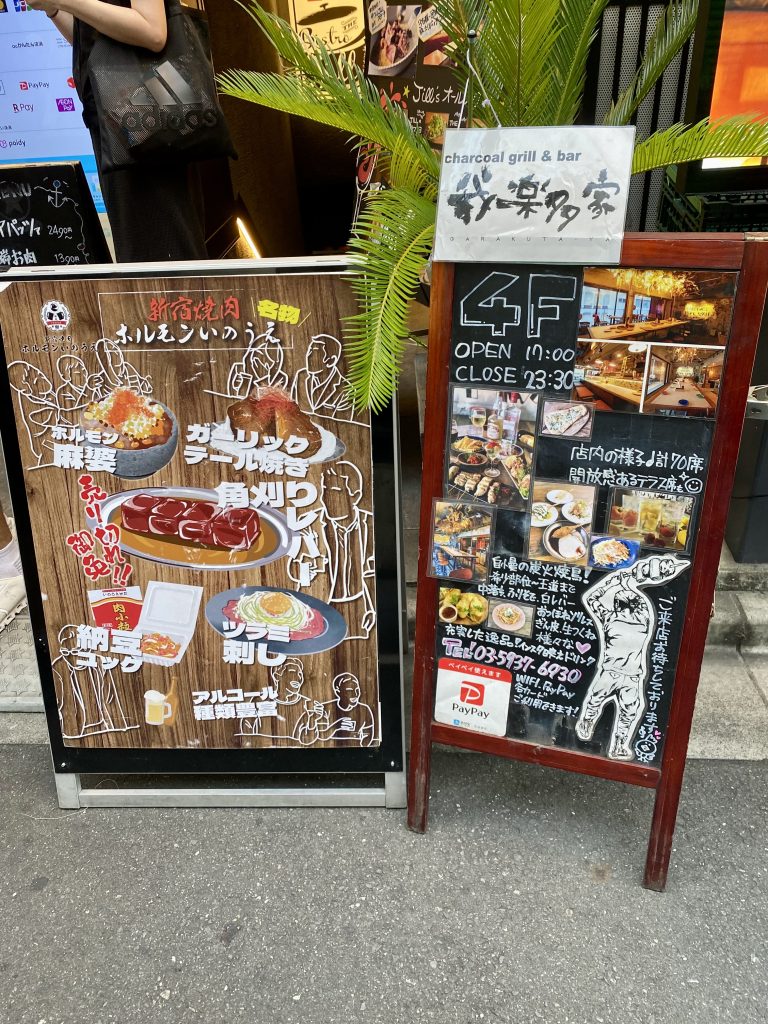
What I appreciate most is that this tour takes you to places you’d walk past without a second look. The izakayas aren’t tourist-facing. You’re sitting at tiny tables next to regulars, ordering things off handwritten menus, and your guide is translating not just the words but the whole context — why this dish exists, where it comes from, what people in Japan actually eat on a Tuesday night. That’s what you can’t replicate by wandering in alone.
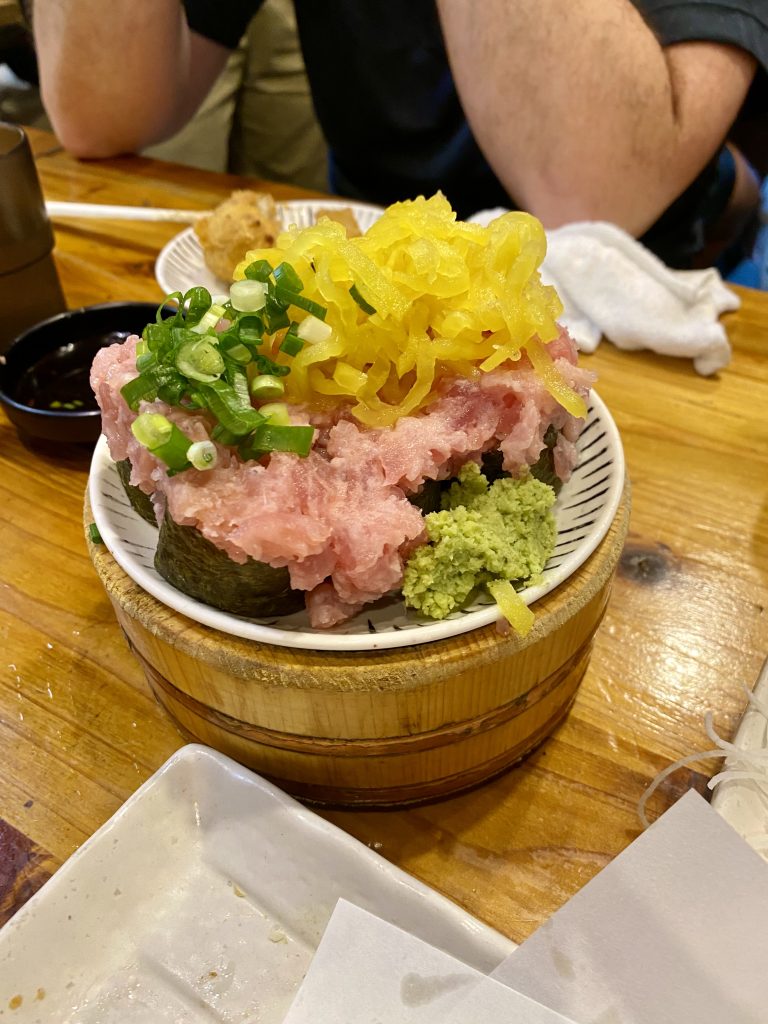
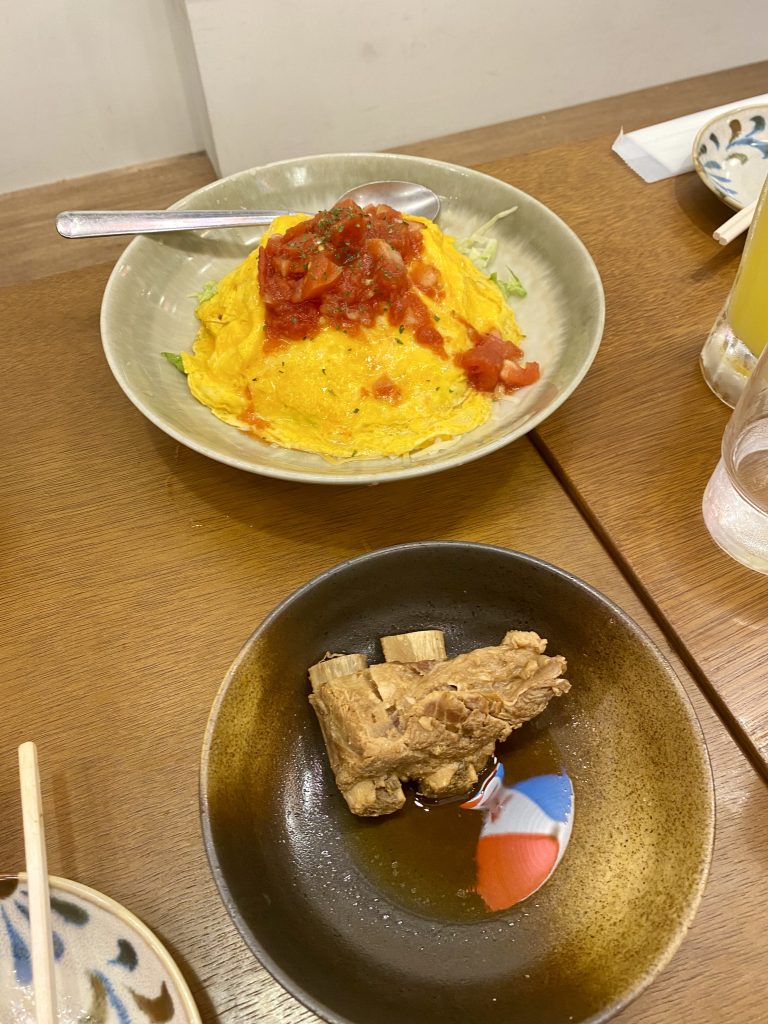
The tour has over 2,100 reviews on TripAdvisor with a 5.0 rating and a Travellers’ Choice Best of the Best award for 2026. 99% of reviewers rated it 4 bubbles or higher. I don’t cite numbers like that often, but they’re consistent with my experience.
➡️ Book the Shinjuku Izakaya Food Tour here
7 Things to Know Before Booking a Tokyo Food Tour
Before you click book, a few things worth knowing. Some of these I learned the hard way, some are things Max told me mid-tour, and one of them I wish someone had told me before my first Japan trip in 2001.
1. Small group size matters more than you think
The Ninja Food Tours Shinjuku tour caps at 10 people. That ceiling exists for a reason. Izakaya seating is tight — these aren’t restaurants designed for groups of 20. When the group is small, your guide can actually check in with you, you can ask questions without shouting, and you don’t spend half the night waiting for stragglers. If you’re comparing Tokyo food tours and one offers a significantly cheaper price, check the group size first. A 20-person food tour is just a moving buffet line.
➡️ This tour caps at 10 — grab your spot here
2. Go hungry — actually hungry
14+ tastings across four stops sounds like grazing. It’s not. By stop three my husband and I were genuinely full and had to pace ourselves at the final izakaya. Don’t eat a big lunch. Don’t have “just a snack” at the hotel. Show up empty and curious, which is exactly the right headspace for this anyway.
3. Your guide is doing more than translating
This is the thing most people don’t realize about a food tour with a local guide. Yes, they explain what you’re eating. But a good guide — and Max was a great one — is also reading the room at each restaurant, negotiating the ordering for a mixed dietary group, flagging which dishes are worth saving your appetite for, and giving you the cultural context that makes the food mean something. The sea bream sashimi tasted better once I understood why that particular fish shows up at celebrations. Context is seasoning.
4. Book early, especially in peak season
Shinjuku gets busy. This Tokyo food tour runs once daily and sells out frequently, particularly from March to May and October to November. If Japan is on your itinerary and you know your dates, book this before you book a lot of other things. It’s also fully refundable if cancelled 24 hours before the start time, so there’s no real risk in securing your spot early.
➡️ Check availability and lock in your date
5. Tell your guide about dietary restrictions upfront
Ninja Food Tours asks about this at booking, and they mean it and take it seriously. Japanese food uses dashi (fish stock) in a lot of dishes that don’t look seafood-adjacent. Shellfish shows up unexpectedly. If you have a genuine allergy, be specific. If you just dislike something, mention it too: a good guide will work around it or warn you, and they’d rather know in advance than watch you push food around a plate.
6. Don’t skip it just because you’ve eaten Japanese food before
I’ve been making Japanese food at home for years. Vancouver has excellent Japanese restaurants. None of that prepared me for the range of what actually exists in Japan — regional specialties, izakaya-specific dishes, things that haven’t been exported anywhere. The bitter melon from Okinawa that showed up on the Ninja tour is a good example. I’d heard of it but never had it prepared that way. Familiarity with Japanese cuisine doesn’t make you immune to food surprises in Tokyo. It just means you arrive with slightly better chopstick form.
7. Use it as a map for the rest of your trip
One of the underrated benefits of a Tokyo food tour: your guide will tell you other places worth going. Max gave us a handful of recommendations for the rest of our stay, unprompted, because he could tell what we were into based on how we ate our way through the tour. Pay attention to those side comments. Write them down. We ended up at one of his suggestions two nights later and it was the best meal of the trip.
FAQs About Tokyo Food Tours
After 20+ years of Japan trips, these are the questions that come up every single time.
Are food tours worth it in Tokyo?
Depends on your travel style. If you’re someone who researches every restaurant three months in advance and already has a spreadsheet, you might not need one. But if you want to actually understand what you’re eating and why it matters — not just that it tastes good — then yes. I’ve been going to Japan since 2001 and I still learned things on this tour. That’s not nothing.
What is the best food tour in Tokyo?
For Shinjuku specifically, the Ninja Food Tours Izakaya Tour is my recommendation without hesitation. It has the reviews, the guide quality, and the itinerary to back it up. If you’re staying in a different neighbourhood, Asakusa and Tsukiji both have strong food tour options worth looking into — but Shinjuku is where most first-time visitors are anyway, and this tour was built for exactly that area.
What is the famous food of Tokyo?
Sushi is the obvious answer and it’s not wrong, but it’s also the least interesting one. What I keep coming back to is how much regional Japanese food ends up concentrated in Tokyo — Okinawan dishes, Hokkaido milk bread and soft serve, Kyushu-style ramen. Things that aren’t from Tokyo at all but exist there at a high level because the city pulls in everything. The bitter melon dish we had on the Ninja tour was Okinawan. I’d never have ordered it on my own. That’s kind of the whole point.
Conclusion
Honestly, I’m a little biased. I had Max as a guide and he was so genuinely fun that I’d probably recommend this tour based on that alone. But the reviews for the other guides, Nobu and Tadashi, say the same things: knowledgeable, funny, makes strangers feel like a group within minutes. So I don’t think we just got lucky.
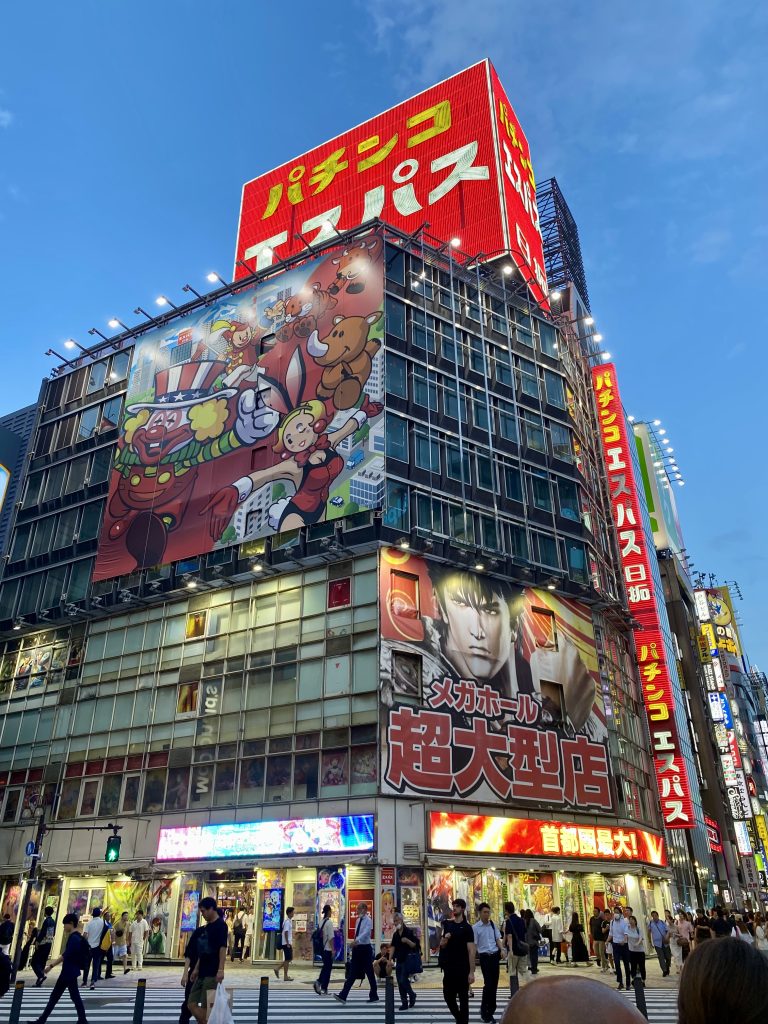
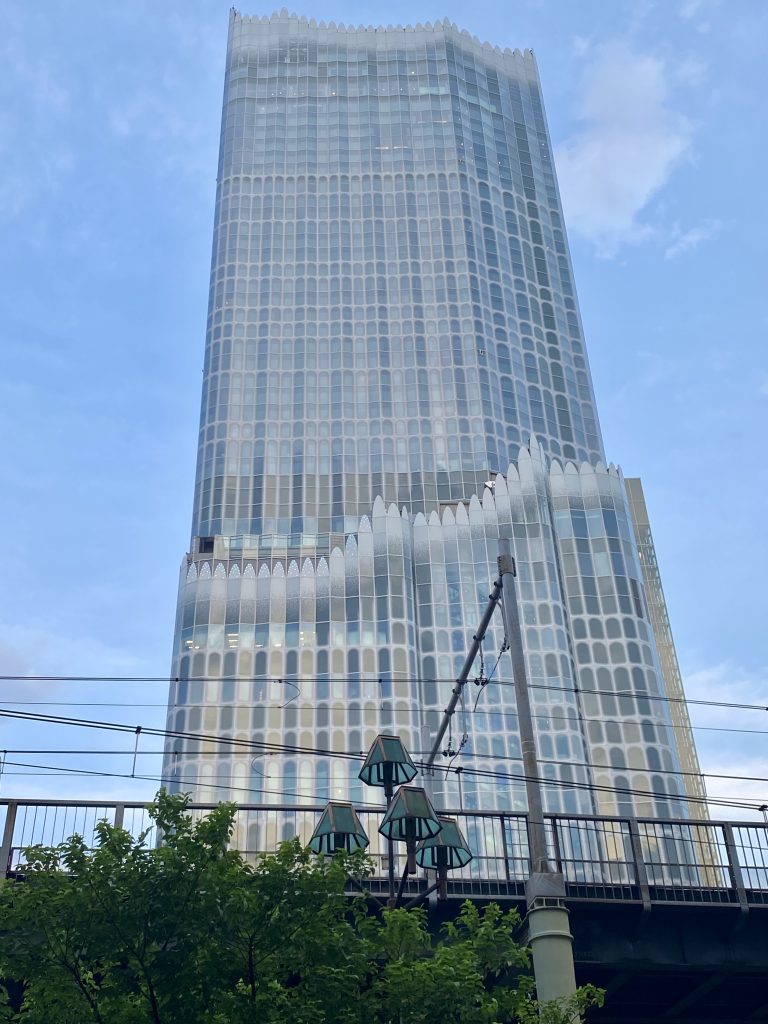
Shinjuku is a lot. Neon, noise, Kabukicho at night with its competing soundscapes and basement bars stacked six floors underground. Going in with someone who knows exactly which unmarked door to push open, and why the food on the other side of it matters, changes the whole experience. I’ve wandered Shinjuku solo and I’ve done it with a guide. Solo is fine. Guided is better.
Book it before you leave home. It sells out.


