

Why Take a Day Trip to Nara?
Just under an hour from both Kyoto and Osaka, Nara is one of Japan’s most rewarding day trips. Famous for its sacred deer, giant Buddha statue, ancient temples, and traditional sweets, a Nara day trip offers a peaceful yet culturally rich escape from the buzz of the city.
Whether you’re into history, nature, or tasty local eats, Nara serves up a perfect mix—especially if you follow this curated itinerary.
Plan Your Trip with
My Favourite Resources
– Best Accommodation Site: Booking.com
– Best day tours here: GetYourGuide.com
– Purchase travel insurance here: SafetyWing
How to Get to Nara
From Kyoto Station, hop on the JR Nara Line (45 min).
From Osaka Station, take the Yamatoji Rapid Line (50 min).
Both routes are covered by the Japan Rail Pass or the JR West Kansai Area Pass.

Once in Nara, everything is conveniently walkable, or you can rent a bike for a breezy ride through the city’s leafy paths.
Morning: Kasuga Taisha & Manyo Botanical Garden
Start your day at Kasuga Taisha, Nara’s most celebrated Shinto shrine, known for its thousands of atmospheric stone and bronze lanterns lining the forest paths.


The vermilion-lacquered shrine tucked into the ancient woods of the Kasugayama Primeval Forest feels almost mystical in the morning light.

Right next door, step into the serene Manyo Botanical Garden. This lesser-known gem features over 300 types of plants and flowers mentioned in the Manyoshu, Japan’s oldest poetry anthology. Seasonal highlights include plum blossoms in late winter, irises in early summer, and fiery maples in autumn.

Midday: Nara Deer Park & Kōfuku-ji Temple
Head into Nara Park, home to over 1,300 freely roaming Sika deer, considered sacred messengers of the gods.

These gentle creatures are the stars of the city and are mostly friendly—especially if you offer them shika senbei (deer crackers) from local vendors. It’s one of the best places in Japan to see and interact with deer up close.


Wander through Nara Park’s wide-open lawns, shady paths, and small shrines—it’s the perfect spot to pause for a bento picnic.
Just steps away, you’ll find Kōfuku-ji Temple, a historic landmark founded in 710 when Nara became Japan’s capital. Established by the influential Fujiwara clan, the temple once boasted over 150 buildings at the height of its power. Today, only 11 remain, due to centuries of fires and the anti-Buddhist policies of the Meiji period.


Highlights include the striking five-storey pagoda, the Eastern Golden Hall, and the Ashura statue housed in the National Treasure Museum.
Afternoon: Todai-ji Temple & Daibutsu
A visit to Todai-ji is a must. This UNESCO World Heritage Site houses the Daibutsu (Great Buddha)—a massive 15-metre bronze statue seated within the largest wooden building in the world.

The sheer scale of the temple and its ancient grandeur are nothing short of awe-inspiring.

For a bit of fun, look for the pillar with a hole the same size as the Daibutsu’s nostril. Legend says squeezing through it brings enlightenment in your next life (mostly kids fit!).
Sweet Treats: Yomogi Mochi Pounding
After your temple wanderings, refuel with some traditional sweets. Nara is famous for transparent kuzumochi 葛餅, soft and chewy rice cakes made from kudzu starch and topped with kinako 黄粉 (roasted soybean flour) or black sugar syrup.


Don’t miss the famous mochi-pounding demonstration at Nakatanidou near Kintetsu-Nara Station. Watch as the staff slam and knead the rice with lightning speed and perfect rhythm—a fiercely satisfying spectacle that ends in warm, delicious kusa mochi 草餅 (herb mochi) aka yomogi mochi 蓬餅 (mugwort mochi) filled with red bean paste.


Pair it with a scoop of matcha ice cream or a refreshing cup of green tea from a nearby teahouse to recharge prior to heading back.
Optional: Souvenir Stop
Before you leave, browse local shops for handmade crafts, deer-themed trinkets, and Nara-specialty snacks like persimmon sweets and yuzu products.
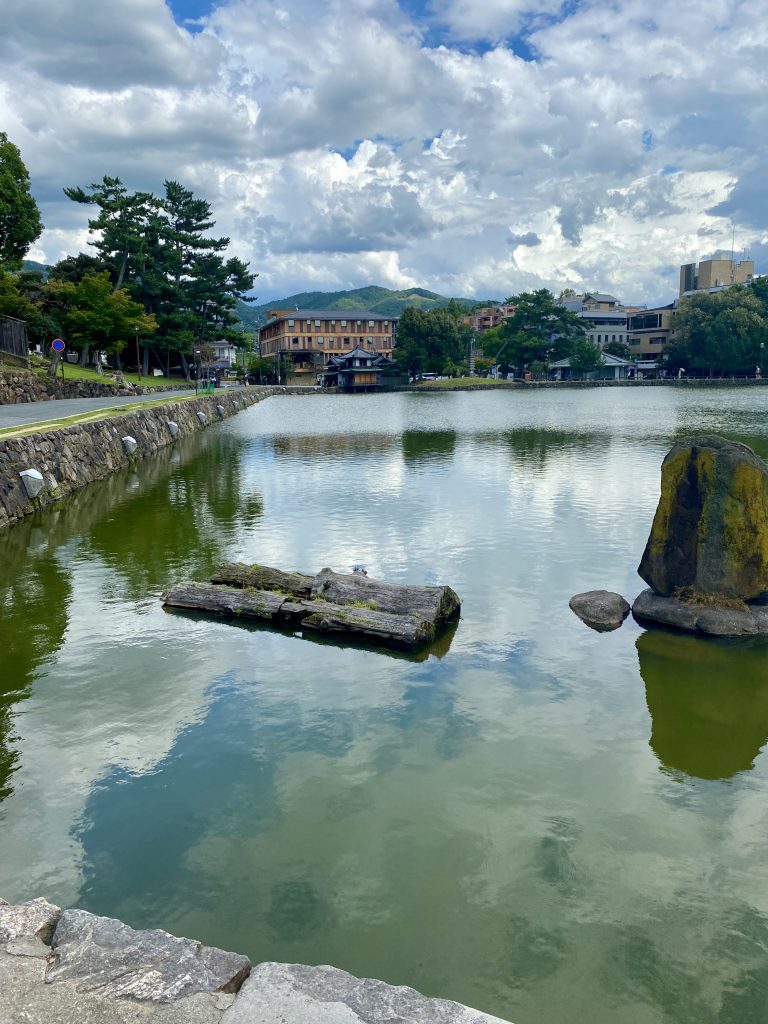
🍋 Top Tip: Stop by Kakisuga, a small shop near Sarusawa Pond offering dried persimmon wrapped in yuzu peel—a sweet, tart treat that pairs perfectly with local Yamato green tea.

Sample Itinerary at a Glance
| Time | Activity |
|---|---|
| 9:00 AM | Arrive in Nara |
| 9:30 AM | Kasuga Taisha Shrine |
| 10:30 AM | Manyo Botanical Garden |
| 12:00 PM | Nara Park deer and Kōfuku-ji Temple |
| 1:00 PM | Lunch (bento or café nearby) |
| 2:00 PM | Todai-ji Temple |
| 3:30 PM | Nakatanidou mochi pounding |
| 4:00 PM | Matcha break or souvenir shopping |
| 5:00 PM | Return to Kyoto or Osaka |
What to Pack for a Nara Day Trip
- Comfortable walking shoes (you’ll be on your feet a lot!)
- Sunscreen and hat for summer
- Light jacket or umbrella in spring and autumn
- Reusable water bottle
- Hand sanitiser (after feeding deer!)
- Extra coins for mochi and snacks
Is a Day Trip to Nara Worth It?
Absolutely. With ancient temples, sacred deer, botanical beauty, and sweet surprises at every turn, a Nara day trip delivers the perfect balance of culture, nature, and nostalgia. It’s a slow-paced yet unforgettable addition to any Kansai itinerary.
So grab your JR Pass, pack your camera—and pick up some deer crackers when you arrive!


How’s your Japan travel planning coming along? Whether you’re deciding on how to make the most out of 2 days in Kyoto or sorting out how to take the train around Japan, save this guide a Nara day trip to make your travels simple and straightforward.
Book Your Japan Trip with
My Favourite Travel Resources
– Top Accommodation Site: Trip.com
– Book your flights here: Cheapoair.com
– Purchase travel insurance here: SafetyWing
If you found this post helpful, please share it with your friends and family and follow me on Facebook, Pinterest, and Instagram for more useful Japan travel tips!
また次回 (Mata jikai) – Until next time,
♥ Agni

📍Pin for later!👇


